


Latest Post
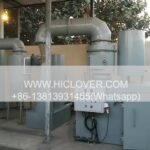
Market Analysis: Small-Capacity Medical Waste Incinerators in West Africa and Gulf of Guinea Region
Market Analysis: Small-Capacity Medical Waste Incinerators in West Africa and Gulf of Guinea Region
1. Overview of Demand
West Africa and Gulf of Guinea countries—including Nigeria, Ghana, Côte d’Ivoire, Togo, Benin, Liberia, Sierra Leone, Guinea, and Cameroon—face ongoing challenges in managing medical waste, especially in rural areas and smaller health facilities. The demand for small-capacity medical incinerators (5–50 kg/hour) is steadily increasing due to:
-
Rising number of clinics, health posts, and mobile units in remote or underdeveloped regions.
-
Lack of centralized waste treatment infrastructure, leading to a need for decentralized solutions.
-
WHO and NGO programs, promoting environmentally safe waste disposal, particularly post-COVID-19.
2. Key Drivers
-
Public Health Concerns: Unsafe disposal of infectious waste is a major contributor to disease spread, especially Ebola, malaria, and hepatitis.
-
Regulatory Push: Governments, often supported by international partners (e.g., WHO, GAVI, MSF), are enforcing stricter compliance with biomedical waste management standards.
-
Affordability and Portability: Small-capacity incinerators are cost-effective, easy to deploy, and ideal for temporary health centers, border clinics, and field hospitals.
3. Common Buyers
-
Ministries of Health
-
UN Agencies and NGOs (e.g., WHO, UNICEF, MSF, Red Cross)
-
Private clinics, missionary hospitals, mobile medical units
-
Military or refugee camp health posts
4. Preferred Models and Specifications
-
Burn Rate: 5–50 kg/hour
-
Fuel: Diesel or LPG
-
Control: Manual or basic PLC
-
Design: Portable, often skid-mounted or containerized
-
Chamber Volume: 0.2 to 0.8 m³
5. Countries with Strong Demand
-
Nigeria: High population, large rural network, significant investment by NCDC and donor agencies.
-
Ghana: Active rollout of community-based healthcare, supported by GIZ and WHO.
-
Sierra Leone and Liberia: Post-Ebola reconstruction includes health infrastructure upgrades.
-
Guinea and Côte d’Ivoire: NGOs and local projects supporting waste management in remote zones.
6. Market Entry Considerations
-
Compliance with environmental regulations in each country (e.g., EPA Ghana, NESREA Nigeria).
-
Local partner or distributor network is often required for tenders or project participation.
-
Customization and Training: End-users often require simple training and easy maintenance.
Conclusion
There is strong and growing demand for small-capacity incinerators across the West African region, especially in underserved rural areas and decentralized clinics. Manufacturers offering affordable, mobile, and easy-to-use incineration solutions (like HICLOVER models TS10, TS20, or TS30) are well-positioned to meet these needs.
Analyse de Marché : Incinérateurs Médicaux de Petite Capacité en Afrique de l’Ouest et dans la Région du Golfe de Guinée
1. Vue d’ensemble de la demande
Les pays d’Afrique de l’Ouest et du Golfe de Guinée — notamment le Nigeria, le Ghana, la Côte d’Ivoire, le Togo, le Bénin, le Liberia, la Sierra Leone, la Guinée et le Cameroun — rencontrent des difficultés persistantes dans la gestion des déchets médicaux, en particulier dans les zones rurales. La demande en incinérateurs médicaux de petite capacité (5 à 50 kg/h) est en hausse en raison de :
-
L’augmentation des cliniques rurales et centres de santé mobiles
-
L’absence d’infrastructures centralisées de traitement des déchets
-
Les programmes de l’OMS et des ONG, qui promeuvent l’incinération sécurisée, surtout après la pandémie COVID-19
2. Facteurs Clés
-
Santé Publique : L’élimination non sécurisée des déchets infectieux contribue à la propagation de maladies comme l’Ebola, le paludisme ou l’hépatite.
-
Pression Réglementaire : Les autorités sanitaires renforcent les exigences de traitement des déchets médicaux, avec l’aide d’organismes internationaux.
-
Mobilité et Coût : Les petits incinérateurs sont faciles à transporter, abordables, et adaptés aux centres de santé temporaires et isolés.
3. Acheteurs Principaux
-
Ministères de la santé
-
Agences de l’ONU et ONG (OMS, UNICEF, MSF, Croix-Rouge, etc.)
-
Cliniques privées, hôpitaux missionnaires, unités mobiles
-
Services de santé militaire ou camps de réfugiés
4. Spécifications Recherchées
-
Capacité de combustion : 5–50 kg/h
-
Carburant : Diesel ou GPL
-
Commande : Manuel ou automatisation simple
-
Structure : Portable, souvent montée sur châssis ou en conteneur
-
Volume de chambre : 0,2 à 0,8 m³
5. Pays avec Forte Demande
-
Nigéria : Nombreux centres de santé ruraux, financements de la NCDC et ONG.
-
Ghana : Déploiement actif de la santé communautaire.
-
Sierra Leone & Liberia : Plans de reconstruction post-Ebola.
-
Guinée & Côte d’Ivoire : Projets locaux et ONG actifs dans les zones reculées.
6. Points à Considérer pour le Marché
-
Conformité avec les normes environnementales locales
-
Présence d’un distributeur ou partenaire local pour accéder aux appels d’offres
-
Simplicité d’entretien et formation du personnel local
Conclusion
La région ouest-africaine présente une opportunité croissante pour les fabricants d’incinérateurs médicaux de petite capacité. Les modèles mobiles, simples d’utilisation et à coût réduit sont les plus recherchés, en particulier dans les zones rurales et projets humanitaires.
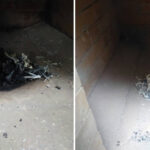
Growing Demand for Private Pet Cremation Services in Australia C Brisbane, Sydney & Queensland
In recent years, the demand for private pet cremation and aftercare services in Australia has grown significantly, especially in urban centers like Brisbane, Sydney, and across Queensland. As pet ownership rises and attitudes toward pet aftercare shift toward dignity and personalization, more families are seeking respectful, environmentally responsible solutions for their beloved animal companions.
Pet Cremation in Brisbane, Sydney, and Queensland: A Rising Industry
In cities like Brisbane and Sydney, private pet crematoriums are increasingly offering full-service packages to grieving pet owners. These include:
-
Individual cremation services with guaranteed return of ashes
-
Communal cremations for cost-conscious options
-
On-site or mobile pickup services from homes or veterinary clinics
-
Customized urns and memorial items
-
Same-day or next-day service availability
-
Pet funerals and viewing arrangements (in some facilities)
Many of these operators are family-owned and emphasize compassion, discretion, and transparency.
Cremation Equipment C The Role of HICLOVER Technology
One notable trend among private cremation providers is the use of advanced incineration systems that are both efficient and environmentally conscious. For example, some private operators in Queensland and New South Wales have adopted HICLOVER Model TS30 PLC incinerators.
HICLOVER TS30 PLC Pet Incinerator C Key Features:
-
Internal chamber volume: 0.36 to 0.6 m3 C suitable for cats, dogs, and small livestock
-
Burn rate: 20C30 kg per hour depending on load
-
PLC automatic control: Easy to operate and programmable cycles
-
Multi-chamber design: High-temperature secondary combustion for complete burning and reduced emissions
-
Fuel options: Diesel, LPG, or natural gas
-
Compact footprint: Suitable for installation in private facilities
These systems offer a reliable solution for businesses looking to operate under strict environmental regulations while offering pet families peace of mind.
Mobile & Containerized Cremation Units in the Region
In New Zealand and some remote parts of Australia, mobile incinerators―often in containerized formats―are becoming popular for both pet cremation and bio-waste handling. These mobile units provide the flexibility to serve rural and regional clients where fixed crematoriums are unavailable.
HICLOVER’s containerized models are particularly attractive due to:
-
Ease of transport and setup
-
Self-contained power and fuel systems
-
Full cremation control in remote environments
-
Weather-resistant containers for long-term outdoor use
This format is ideal for veterinary service providers and mobile cremation startups looking to serve wider geographical areas.
Regulatory Compliance & Environmental Responsibility
Private pet crematoriums in Australia must comply with EPA regulations and local environmental health codes. HICLOVER equipment, with its high-temperature secondary combustion and low emission output, helps operators meet strict compliance targets while also aligning with the growing preference for green cremation solutions.
Notable Service Providers (Examples Only)
Although exact business names may vary and change frequently, examples of services found in Brisbane and Sydney include:
-
24/7 pet pickup services
-
Private cremations with personalized ash return
-
Eco-friendly cremation programs
-
Memorial garden burial options
Some of these services are known to operate independent cremation units on-site, while others work in collaboration with licensed incinerator providers using systems such as HICLOVER TS30 PLC or mobile units.
Conclusion
As pet care standards evolve in Australia, the pet aftercare industry is keeping pace with a growing selection of professional, compassionate cremation services. With trusted equipment like HICLOVER incinerators supporting operators across Brisbane, Sydney, Queensland, and beyond, pet owners can now access high-quality, environmentally responsible options that honor their companions’ memory with dignity.
For more information about HICLOVER pet cremation solutions, please visit www.hiclover.com or email us at [email protected].
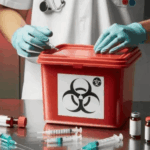
The Future of Medical Waste Incineration
The landscape of medical waste management is continually evolving, driven by technological advancements, increasing environmental awareness, and the ever-present need to manage healthcare waste safely and effectively. Medical bio-waste incineration, while a long-established technology, is also part of this evolution. The future of incineration is likely to be shaped by a greater emphasis on sustainability, more sophisticated emission control technologies, and its integration into broader, more circular waste management strategies. As healthcare systems expand globally and face new challenges, such as those posed by pandemics, the role of advanced incinerator technology in ensuring resilient and environmentally sound waste disposal will become even more critical. The pursuit of sustainable medical waste disposal is a key driver for future developments.
Technological advancements in incinerator design and emission control are at the forefront of future trends. Researchers and manufacturers are continuously working to improve combustion efficiency, reduce fuel consumption, and enhance the effectiveness of air pollution control systems. This includes the development of more advanced sensors and automated control systems for real-time optimization of combustion conditions, leading to even lower emissions of pollutants like dioxins, furans, and heavy metals. Innovations in materials science may lead to more durable refractory linings and more efficient filter media. Furthermore, there is ongoing research into novel approaches for flue gas treatment, potentially leading to more compact and cost-effective APC systems. The goal is to make advanced incinerator technology not only more environmentally friendly but also more accessible and economically viable for a wider range of healthcare facilities, including those in resource-limited settings.
A significant trend shaping the future of medical waste incineration is the increasing focus on sustainability and circular economy principles. While the primary function of incineration is waste destruction, there is a growing recognition of the potential to recover value from the process. Waste-to-energy (WtE) systems, which capture the heat generated during combustion to produce steam or electricity, are becoming more common and more efficient. This not only reduces the facility’s reliance on external energy sources but also improves the overall carbon footprint of the waste management process. Beyond energy recovery, there is also research into the potential for recovering materials from incinerator ash, such as metals or inert materials that could be used in construction, although this is still an emerging field. The drive towards a circular economy will push for innovations that minimize final waste residues and maximize resource recovery from what was once considered simply waste, contributing to sustainable medical waste disposal.
The role of incineration in managing future healthcare waste challenges, particularly in the context of public health emergencies like pandemics, is also a key consideration. Events like the COVID-19 pandemic highlighted the surge in medical waste generation (e.g., PPE, testing kits) and the critical need for rapid and safe disposal capacity. Robust and reliable incineration infrastructure, capable of handling large volumes of potentially highly infectious waste, is essential for pandemic preparedness and response. Future planning will likely involve ensuring sufficient incineration capacity, possibly through modular or mobile incinerator units that can be deployed quickly where needed, and integrating incineration into national and international emergency response strategies.
Finally, the future will likely see a greater integration of incineration into comprehensive and holistic waste management strategies. This means not viewing incineration in isolation but as one component of a hierarchical approach that prioritizes waste prevention, reduction, reuse, and recycling wherever possible. For waste streams that cannot be safely or practically managed through these preferred methods, incineration, particularly with energy recovery and advanced emission controls, will continue to play a vital role. The emphasis will be on smart decision-making, ensuring that only the most appropriate waste streams are incinerated, and that the process is conducted in the most environmentally responsible manner possible. This integrated approach, combining the strengths of various technologies and strategies, will be key to achieving truly sustainable and effective management of medical bio-waste in the years to come, with advanced incinerator technology playing a crucial part.
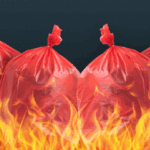
Key Considerations for Effective Incineration
Achieving effective and safe medical bio-waste incineration goes beyond simply having the right equipment; it requires a holistic approach that encompasses meticulous planning, rigorous operational protocols, and a commitment to ongoing best practices. Several key considerations must be addressed by healthcare facilities and waste management operators to ensure that their incineration processes are not only compliant with regulations but also optimized for efficiency, safety, and minimal environmental impact. Overlooking these factors can lead to operational inefficiencies, increased risks to personnel and the public, regulatory non-compliance, and a failure to realize the full benefits of incineration technology. Proper medical waste management hinges on these critical elements.
First and foremost, proper waste segregation at the source is fundamental to effective incineration. Not all waste generated by a healthcare facility is suitable or necessary for incineration. Mixing general waste, recyclables, or certain types of hazardous waste (e.g., reactive chemicals or large quantities of mercury) with medical bio-waste destined for incineration can damage the equipment, reduce combustion efficiency, increase harmful emissions, and unnecessarily raise operational costs. Healthcare staff must be thoroughly trained on correct waste identification and segregation procedures, using clearly labeled and color-coded containers to ensure that only appropriate waste streams are sent to the incinerator. This initial step is crucial for optimizing the entire incineration process and for effective incinerator operation.
Comprehensive staff training and strict adherence to safety protocols are equally vital. Operating and maintaining an incinerator involves working with high temperatures, potentially hazardous materials, and complex machinery. All personnel involved, from waste handlers to incinerator operators and maintenance staff, must receive thorough training on standard operating procedures, emergency response plans, the use of personal protective equipment (PPE), and the specific hazards associated with medical waste and the incineration process. Regular refresher training and safety drills are essential to maintain a high level of preparedness and minimize the risk of accidents, injuries, or exposure. Staff safety must always be a top priority.
Regular and preventative maintenance of the incinerator equipment is another non-negotiable consideration. Incinerators are sophisticated systems with numerous components that are subject to wear and tear under harsh operating conditions. A well-documented maintenance schedule, including routine inspections, cleaning, calibration of monitoring instruments, and timely replacement of worn parts (such as refractory linings, burners, and filter bags), is essential to ensure reliable operation, optimal combustion efficiency, and consistent emissions control. Neglecting maintenance can lead to equipment failures, increased emissions, higher fuel consumption, and costly downtime. Investing in a robust maintenance program is crucial for the long-term viability and effectiveness of the incineration facility.
Operational costs and economic viability also need careful consideration. While incineration is effective, it can be an expensive waste treatment method. Costs include capital investment for the equipment, fuel (gas or oil), electricity, labor for operation and maintenance, ash disposal, emissions testing, and regulatory compliance. Healthcare facilities must conduct a thorough economic analysis to determine the feasibility of on-site incineration versus off-site treatment options. Optimizing operational parameters, such as ensuring the incinerator is run at full capacity when possible and minimizing fuel consumption through efficient combustion control, can help manage these costs. Choosing the right incinerator, appropriately sized and designed for the facility’s specific waste generation rates and types, is also a key factor in ensuring economic sustainability.
Finally, choosing the right incinerator technology tailored to the specific needs of the facility is a critical upfront decision. Factors such as the volume and types of waste generated, available space, local regulatory requirements, and budget will all influence the selection of the most appropriate incinerator model (e.g., controlled air, excess air, rotary kiln) and its capacity. Consulting with experienced incinerator manufacturers and environmental consultants can help healthcare facilities make an informed choice that aligns with their operational needs and long-term waste management goals. These key considerations, when diligently addressed, form the bedrock of an effective, safe, and environmentally responsible medical bio-waste incineration program.
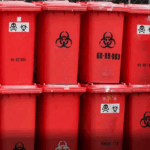
Regulatory Landscape for Medical Waste Incineration
The operation of medical bio-waste incinerators is not undertaken in a vacuum; it is governed by a complex and stringent regulatory landscape designed to protect public health and the environment from the potential hazards associated with both the waste itself and the incineration process. These regulations, which vary by jurisdiction but share common goals, dictate everything from the design and construction of incinerators to their operational parameters, emission limits, ash disposal, and record-keeping requirements. Healthcare facilities and waste management operators must navigate this intricate web of rules to ensure full compliance, avoid significant penalties, and maintain their license to operate. A thorough understanding of the applicable medical waste regulations is therefore indispensable for anyone involved in the incineration of medical bio-waste.
In the United States, the Environmental Protection Agency (EPA) plays a central role in establishing federal standards for medical waste incinerators, primarily under the Clean Air Act (CAA). Specific regulations, such as the Hospital, Medical, and Infectious Waste Incinerators (HMIWI) standards, set stringent emission limits for pollutants like particulate matter, lead, cadmium, mercury, dioxins/furans, hydrogen chloride (HCl), and sulfur dioxide (SO2). These standards often require the installation of sophisticated air pollution control (APC) systems and continuous emissions monitoring systems (CEMS) or periodic stack testing to demonstrate compliance. States may also have their own, sometimes more stringent, regulations that build upon the federal framework. For instance, some states may have specific permitting requirements, operator training and certification programs, and more restrictive rules regarding the types of waste that can be incinerated or the methods for ash disposal. Navigating these multi-layered EPA guidelines and state-specific rules is a critical aspect of environmental compliance.
Internationally, the regulatory approach also emphasizes strict control over medical waste incineration. The World Health Organization (WHO) provides guidance and recommendations for the safe management of healthcare waste, including best practices for incineration. Many countries have adopted regulations consistent with or inspired by WHO guidelines and standards set by bodies like the European Union. EU directives, for example, impose strict emission limit values for waste incineration plants and require the use of Best Available Techniques (BAT) to minimize environmental impact. These international standards often address similar pollutants of concern as the US EPA, focusing on minimizing air emissions and ensuring the safe disposal of residues. The Basel Convention, an international treaty on the control of transboundary movements of hazardous wastes and their disposal, also has implications for how medical waste, including incinerator ash, is managed globally.
Beyond air emissions, regulations also cover the management and disposal of incinerator ash. Both bottom ash (from the primary combustion chamber) and fly ash (collected by the APC system) must be tested to determine if they are hazardous. If deemed hazardous, the ash must be managed and disposed of according to hazardous waste regulations, typically involving specialized landfills. Even non-hazardous ash requires proper disposal in approved landfills to prevent environmental contamination. Permitting and compliance obligations are significant. Facilities typically need to obtain operating permits that specify allowable waste types, throughput capacities, operating conditions (e.g., minimum combustion temperatures and residence times), emission limits, and monitoring and reporting requirements. Regular inspections by regulatory agencies, detailed record-keeping of waste processed, operational parameters, emission data, and ash disposal manifests are standard compliance measures. Adherence to these local, state, federal, and international guidelines is not just a legal necessity but a commitment to responsible environmental stewardship and public health protection when utilizing medical waste regulations for incineration.
